


Truly Fabricatable models
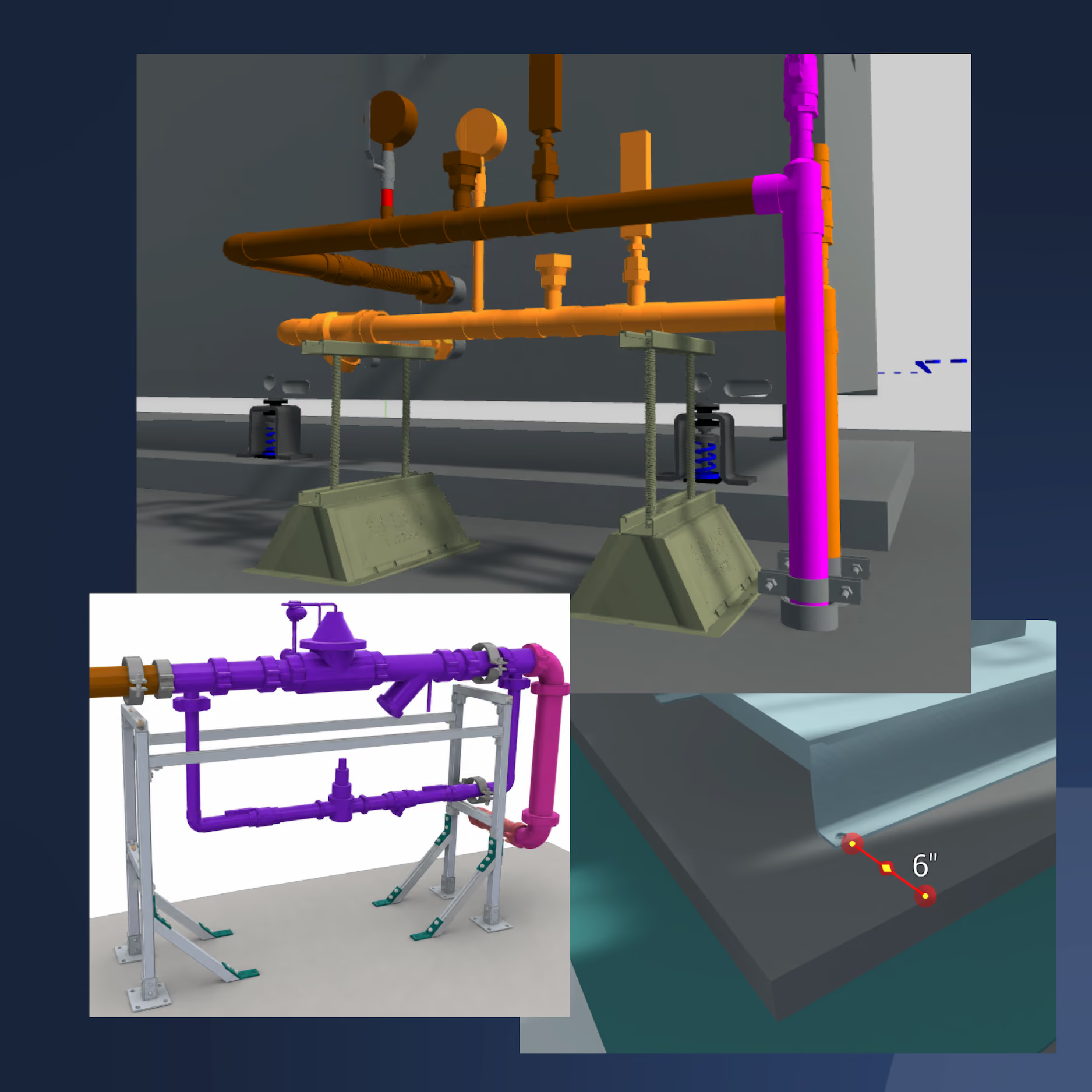
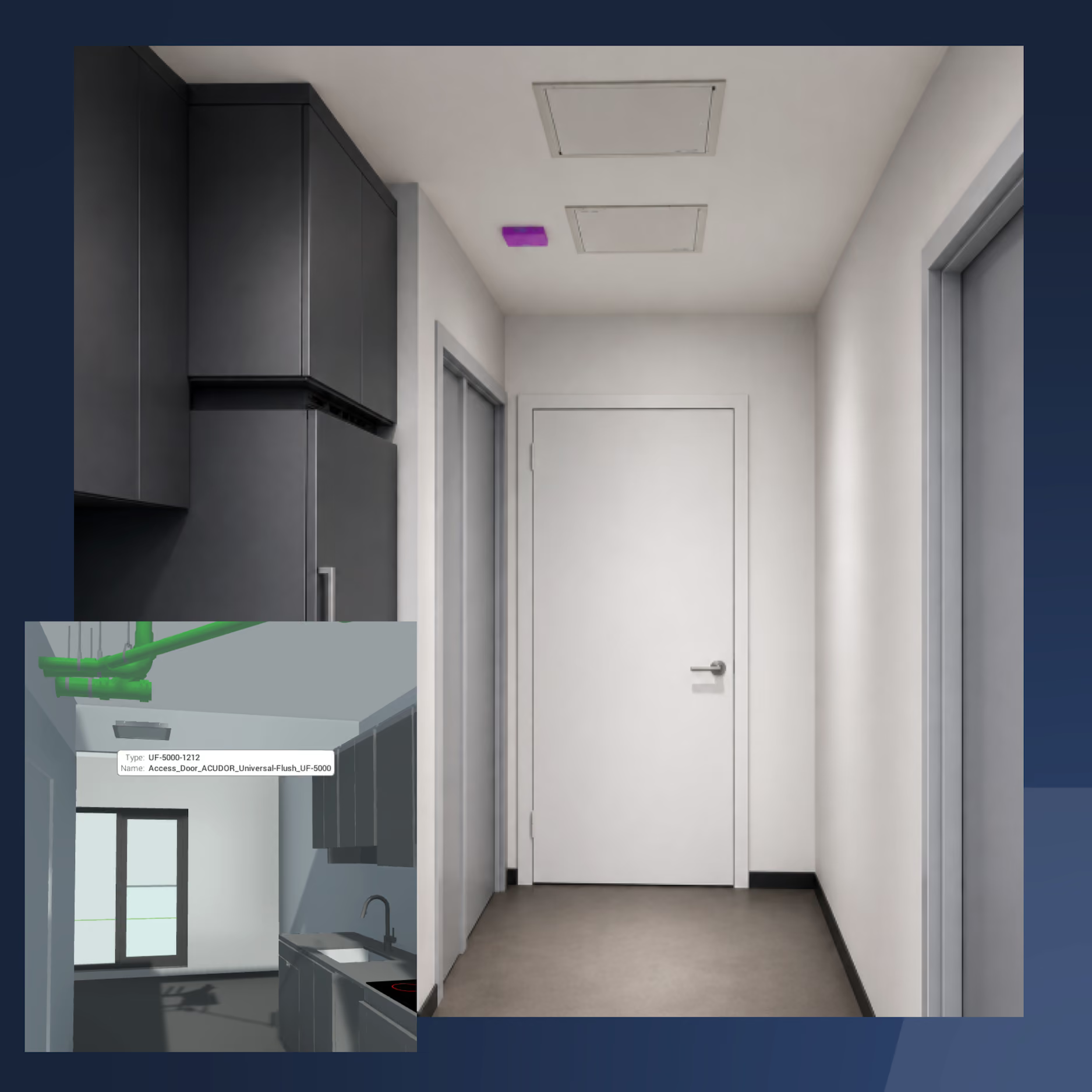
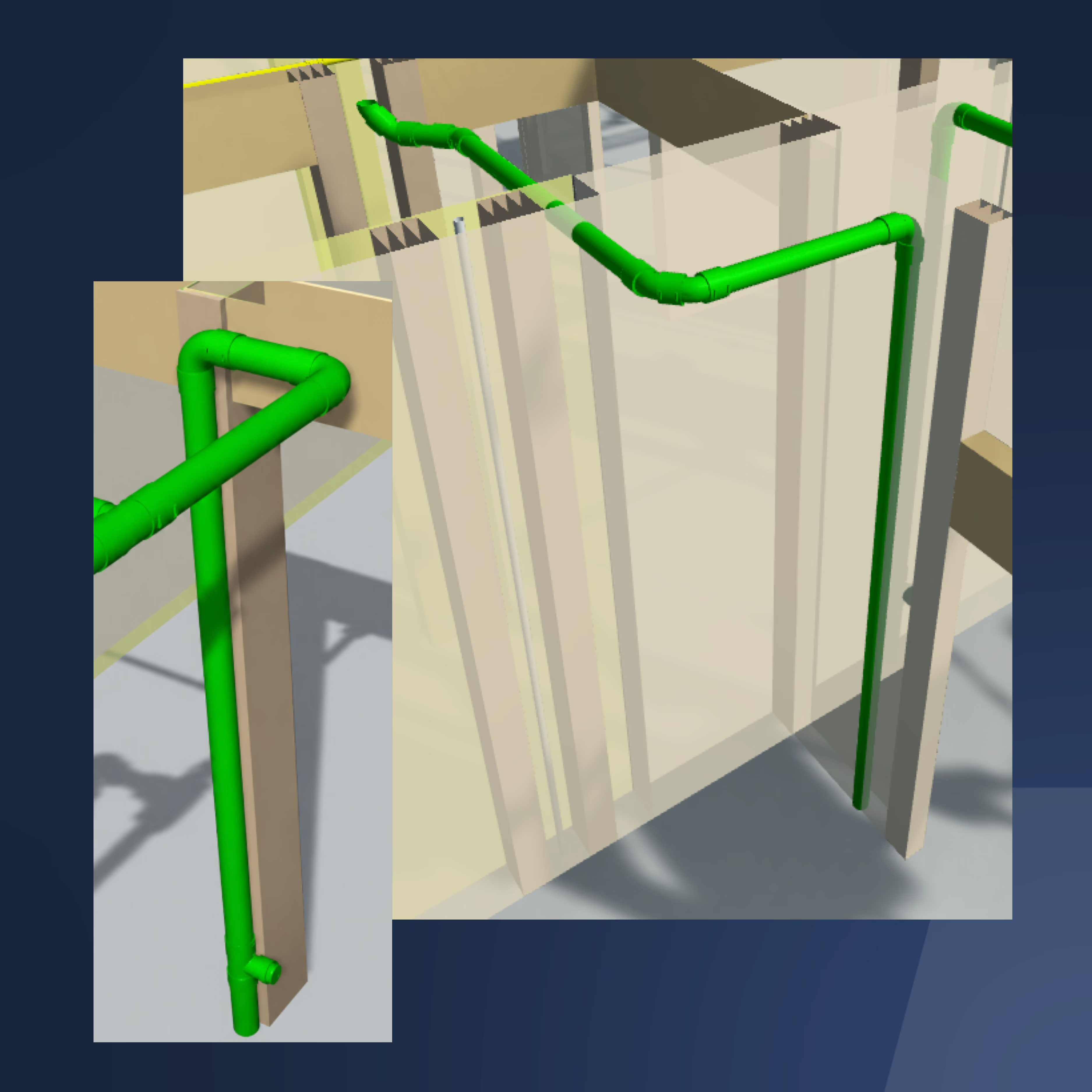
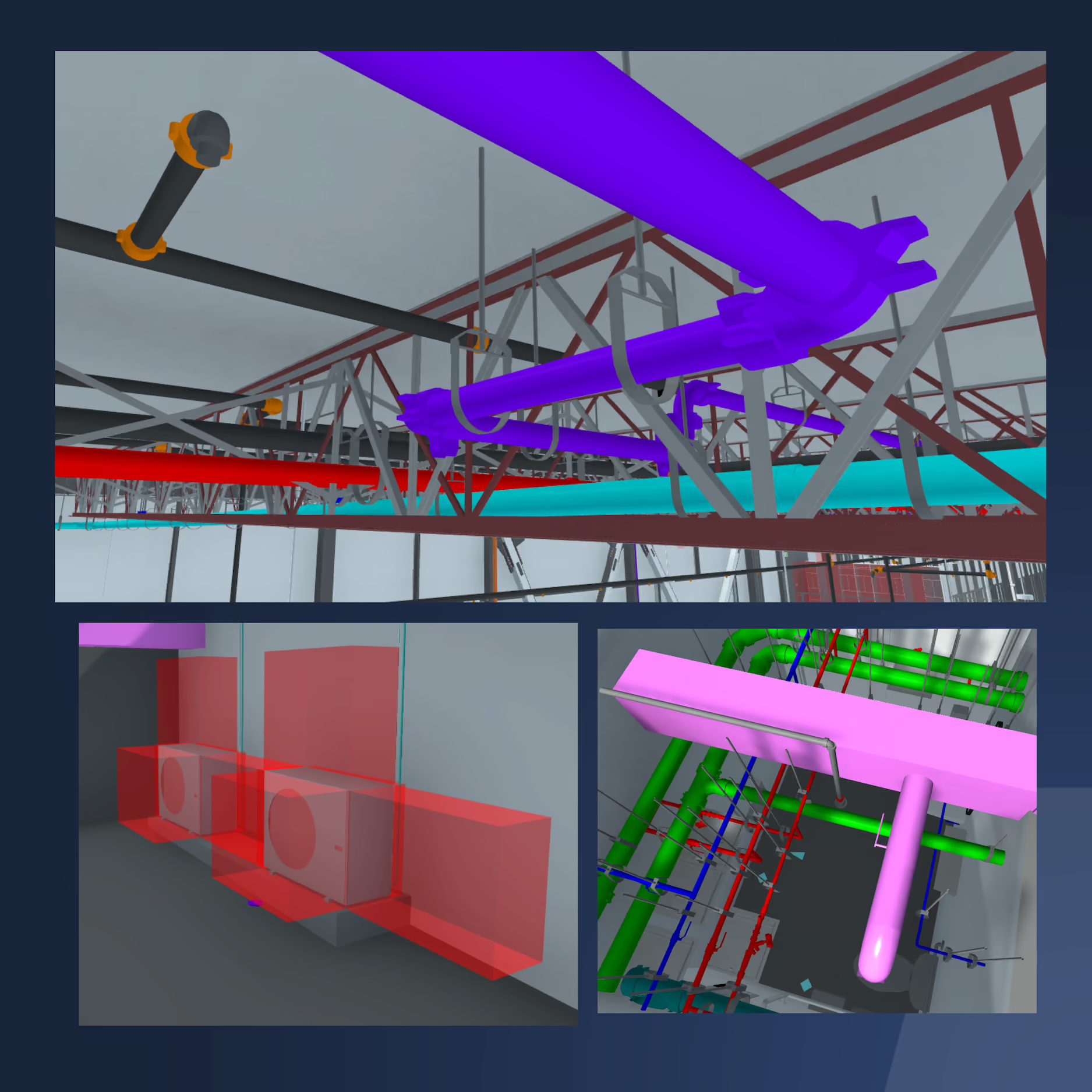
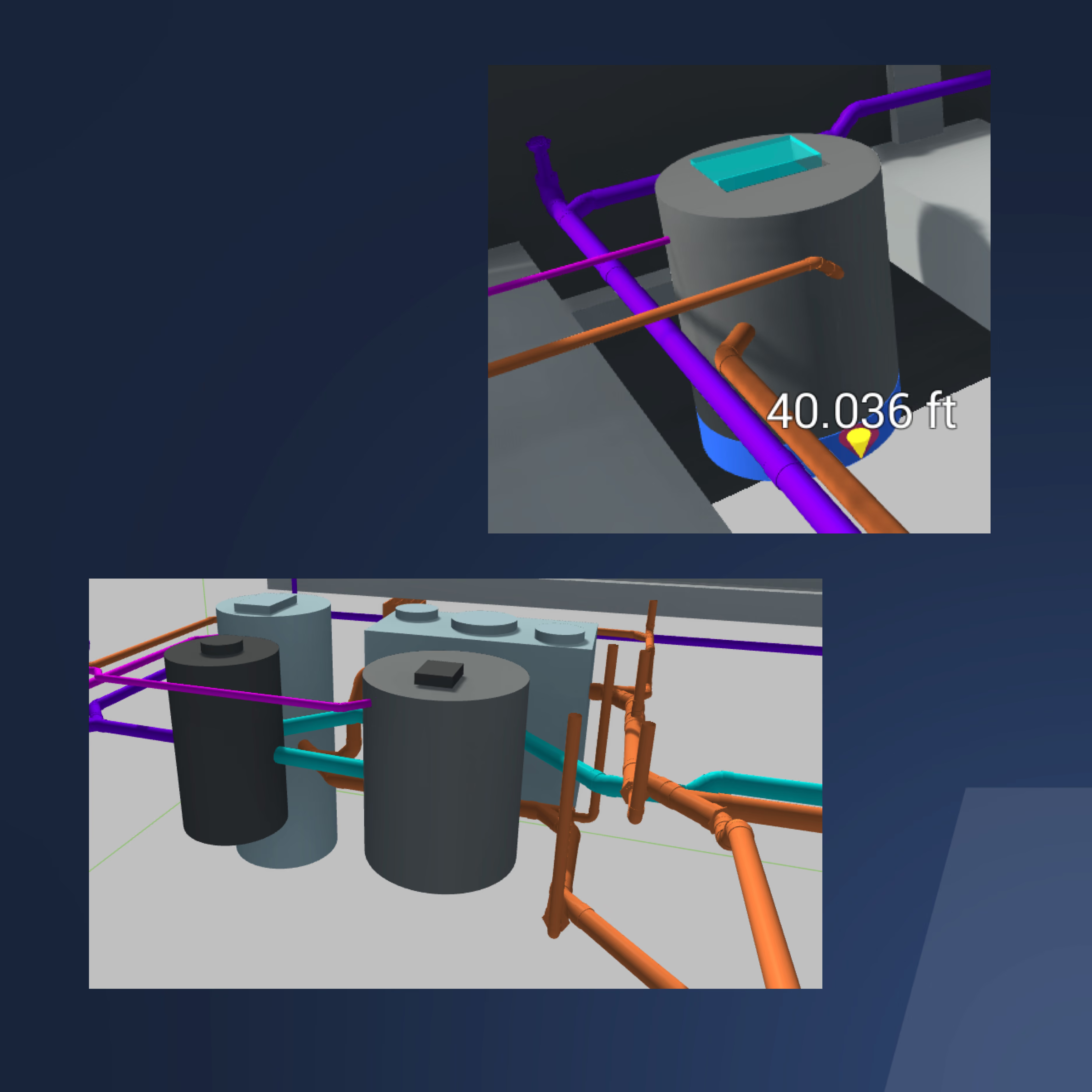
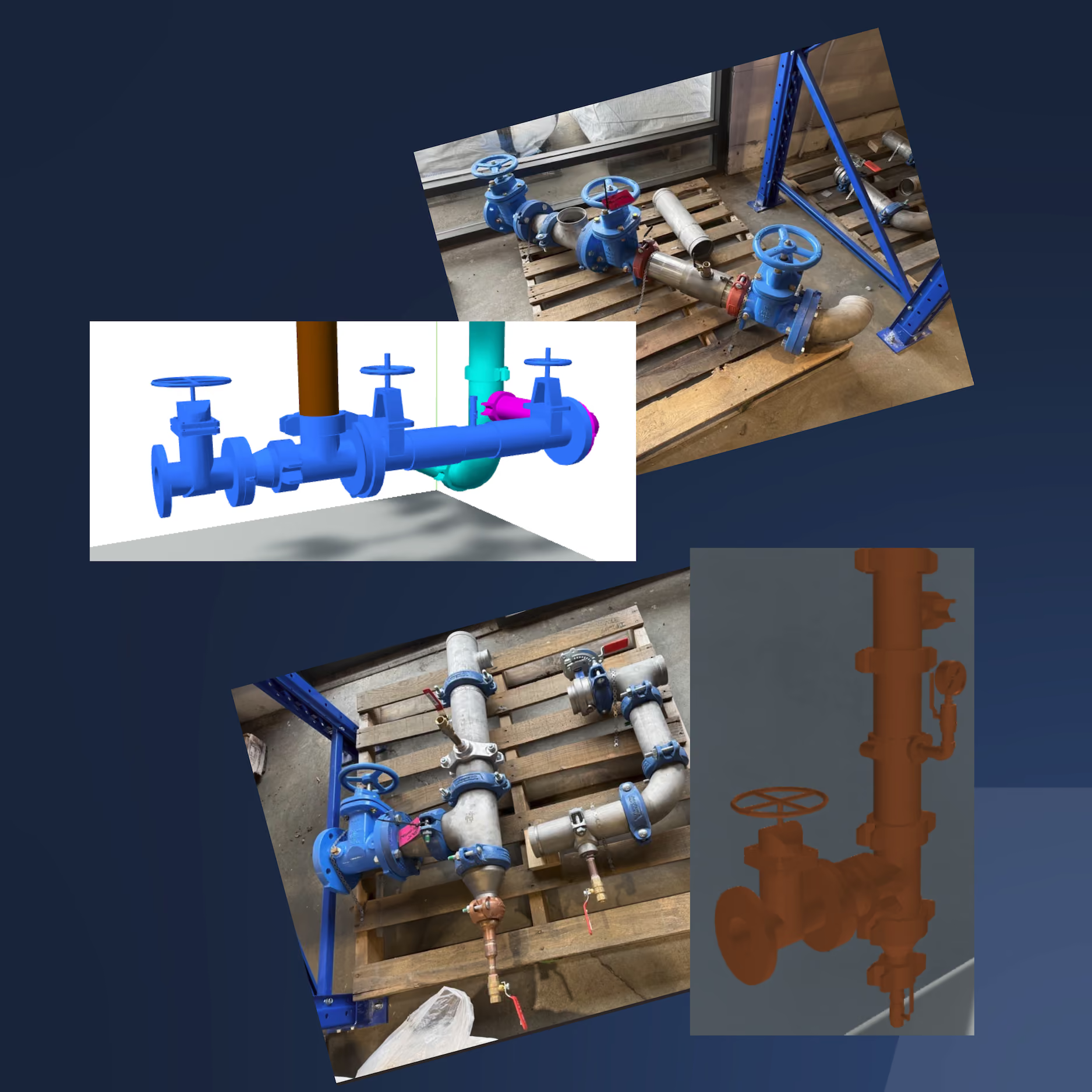
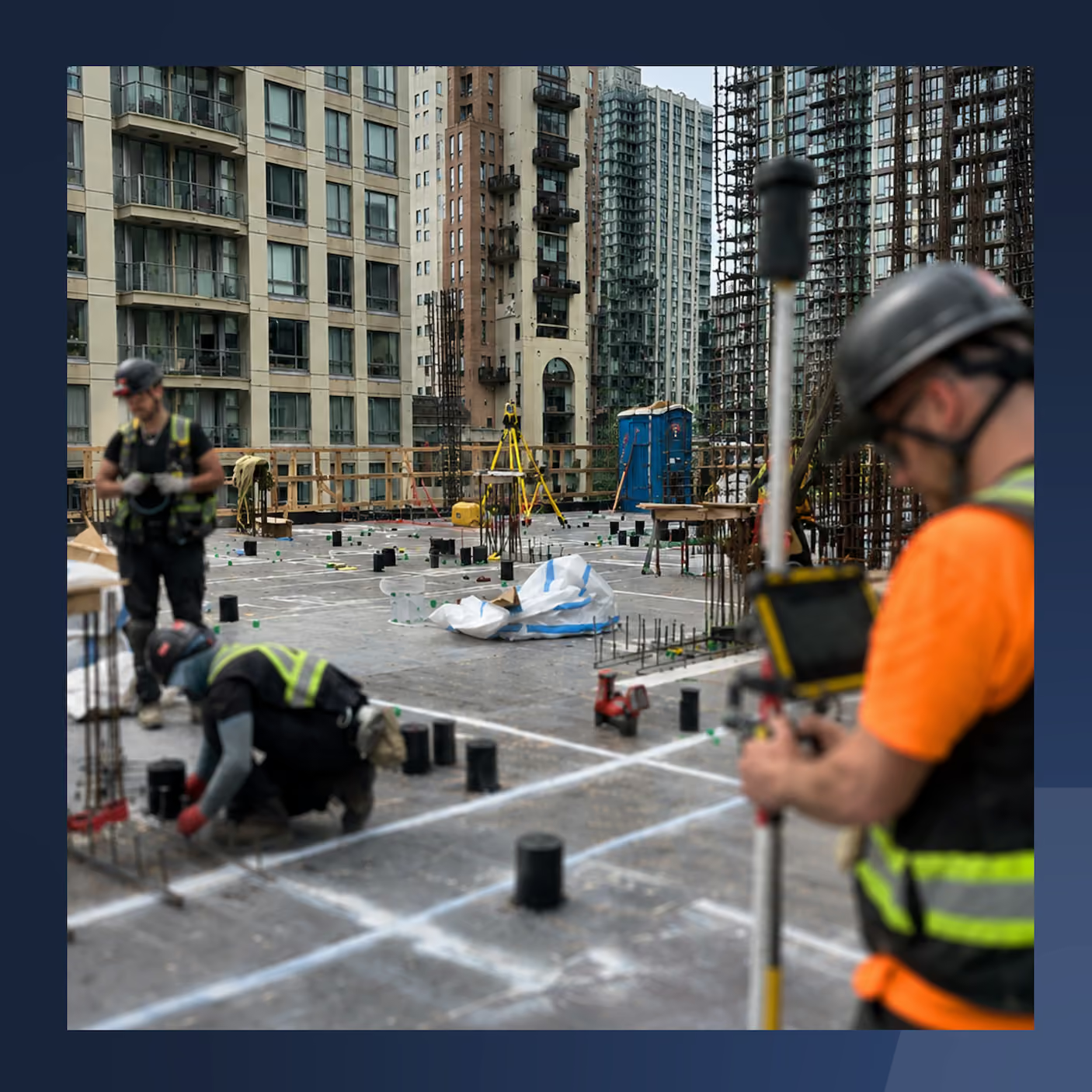
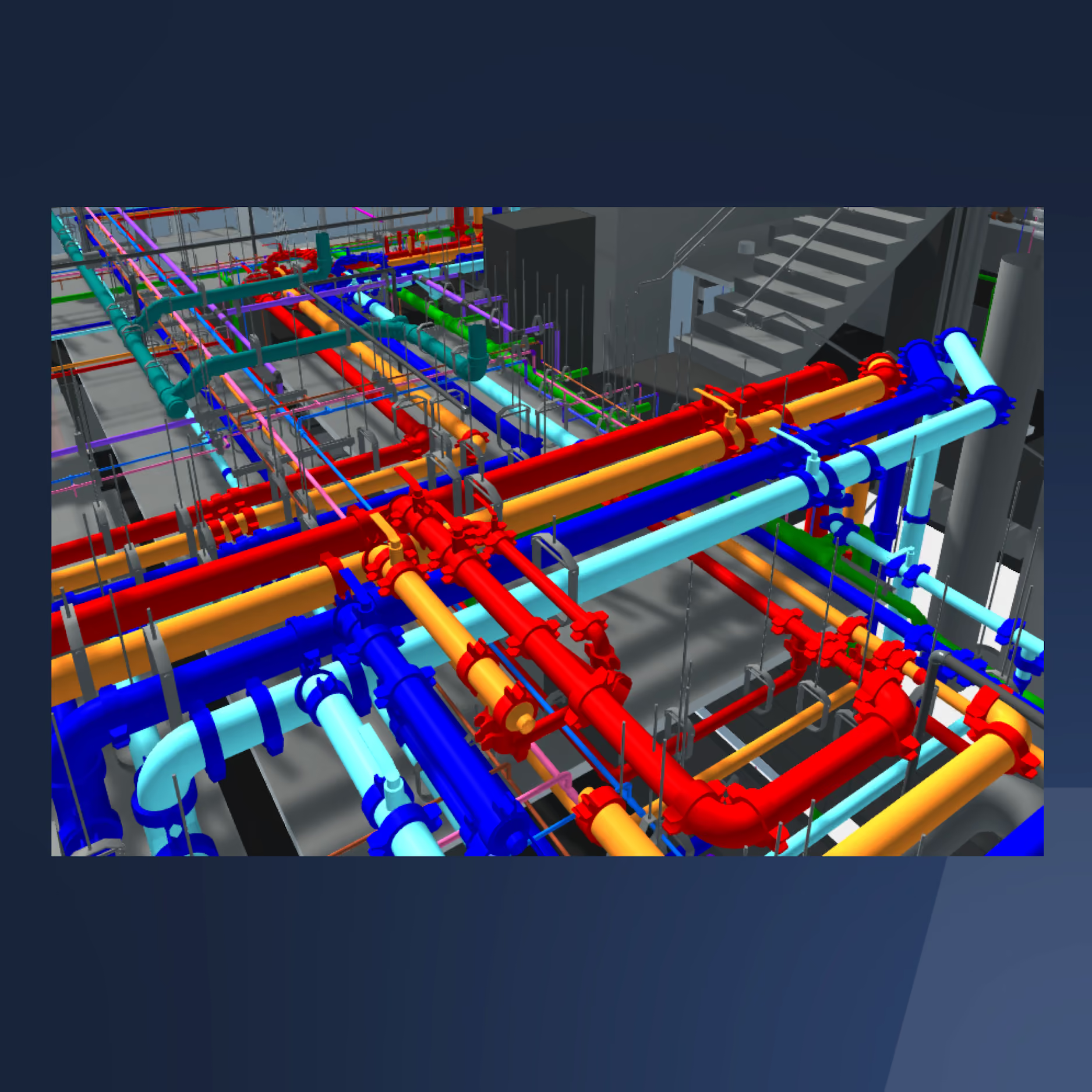
Every Core project runs through the same disciplined sequence — coordinate in the model, prefabricate in our shop, install with total-station precision, hand off with a digital record. It's why our field conflicts are rare and our schedules hold.

Nothing Reaches the Field By Surprise

Verifiable Precision
A Building You Can Actually Maintain
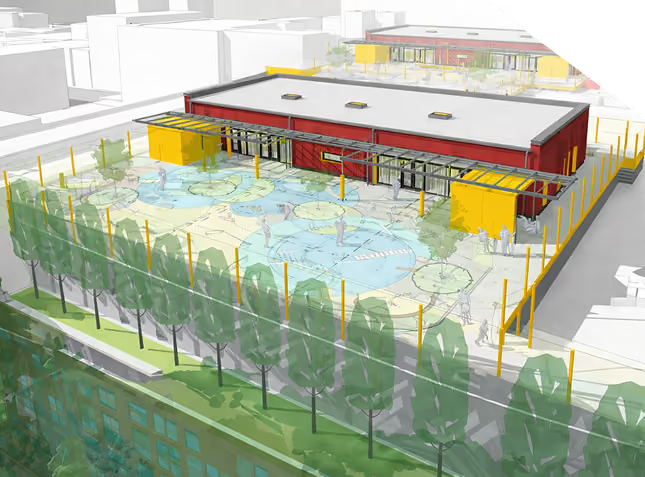








LET’S BUILD SOMETHING THAT LASTS
Thinking about getting started with your next project? We’re here to help.
A Few Things GCs Ask Us First
We'd rather answer these upfront than have you guessing. If something isn't covered here, just reach out.
We focus on the big picture. We don't believe in nickel-and-diming our clients over every small detail or burying the project in unnecessary paperwork. We take a fair, practical approach—solve the problem, keep the job moving, and build a relationship that lasts beyond one project.
Our bonding capabilities are 30 million dollars per project.
Our clients hire us to take ownership. We work directly with the design team to resolve day-to-day issues and find practical solutions without pushing every small decision up the chain. We keep you informed, document important decisions, and involve you when it matters—without adding unnecessary noise.
We manage the entire mechanical scope—including our subtrades. We maintain detailed schedules and regularly review progress, manpower, procurement, upcoming milestones, and potential risks with each subtrade. Issues are identified early and addressed before they impact the overall project schedule.
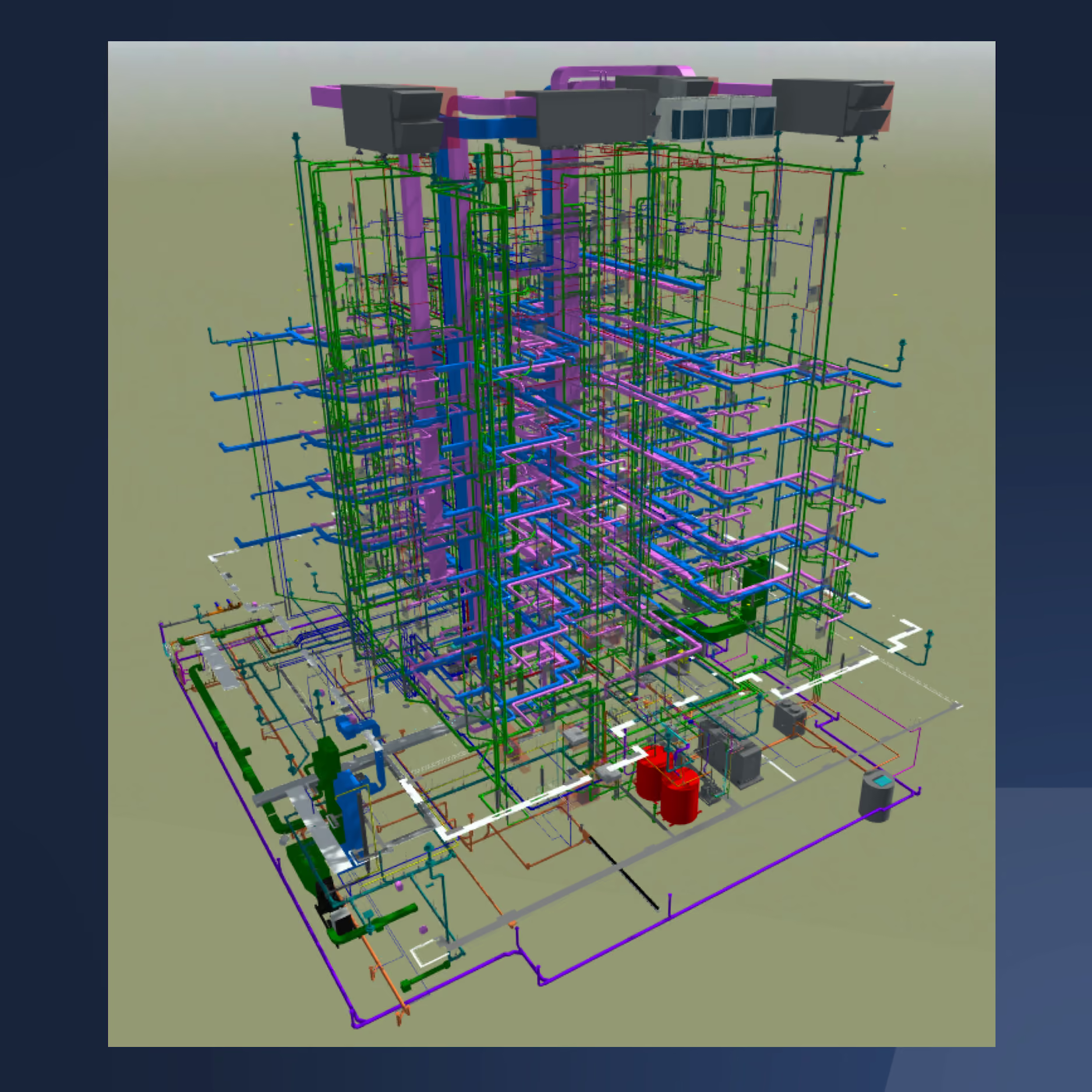
Yes. We create a complete, coordinated mechanical model that includes the work of our subtrades. Our models are developed by Red Seal-certified tradespeople with real field experience, and we train our subtrades to access and build from the same coordinated model on site. The result is better coordination, fewer field conflicts, and a system that's designed to actually be built.
We plan for commissioning from the beginning—not at the end. A dedicated commissioning manager tracks documentation, submittals, start-ups, and closeout requirements throughout the project. We coordinate our subtrades and equipment suppliers early so systems, people, and paperwork are ready when they're needed—helping prevent last-minute delays and keeping turnover on schedule.